
Exploring Ownership Of A Stock Insurance Company: Who Owns A Stock Insurance Company?
Shareholders, through ownership of stock, own a stock insurance company. These shareholders invest in the company, essentially becoming part-owners with a stake in its success. The question of “Who owns a stock insurance company?” can be answered simply: it is those who hold shares in the company. This dynamic ownership structure plays a crucial role in the operations and decisions made within the company. Understanding this ownership model is key to comprehending the inner workings of stock insurance companies.

Who Owns a Stock Insurance Company?
Welcome to our detailed exploration of who exactly owns a stock insurance company. Have you ever wondered about the individuals or entities behind these financial institutions that provide coverage and protection to policyholders? In this article, we will delve into the world of stock insurance companies to uncover the answer to this intriguing question. Let’s embark on this exciting journey together!
The Basics of Stock Insurance Companies
Before we delve into the ownership structure of stock insurance companies, let’s first understand what they are and how they operate. Stock insurance companies are entities that sell insurance policies to individuals and businesses in exchange for premiums. These companies generate revenue by collecting premiums from policyholders and investing these funds to generate returns.
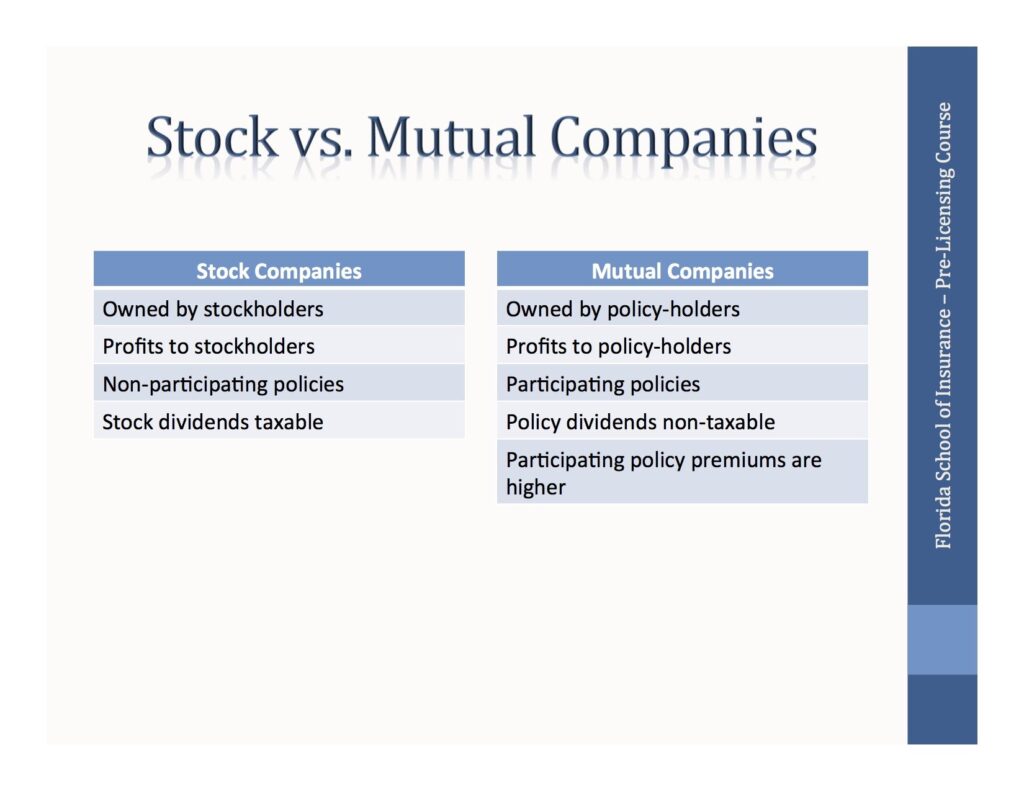
Unlike mutual insurance companies where policyholders are also owners of the company, stock insurance companies are owned by shareholders. These shareholders are individuals, institutional investors, or other corporations that own shares of the company, entitling them to a portion of the company’s profits and voting rights.
Shareholders of Stock Insurance Companies
One of the key characteristics of stock insurance companies is that they have a diverse group of shareholders who hold ownership stakes in the company. These shareholders can include:
1. Institutional Investors
Institutional investors such as pension funds, hedge funds, and mutual funds are major shareholders of many stock insurance companies. These entities invest large sums of money in insurance companies as part of their investment portfolios, seeking to earn returns on their investments.
2. Individual Investors
Individual investors, including retail investors and high-net-worth individuals, also own shares in stock insurance companies. These investors buy shares of insurance companies through stock exchanges, hoping to benefit from capital appreciation and dividends.
3. Corporate Investors
Corporate investors, such as other insurance companies or financial institutions, may also hold stakes in stock insurance companies. These companies invest in insurance firms to diversify their portfolios and participate in the profitability of the insurance industry.
Ownership Structure of Stock Insurance Companies
Stock insurance companies have a clear ownership structure that outlines the rights and responsibilities of shareholders. The ownership structure typically includes the following components:
1. Board of Directors
The board of directors is a group of individuals elected by the shareholders to oversee the management and strategic direction of the insurance company. The board represents the interests of shareholders and makes decisions on behalf of the company.
2. Shareholders’ Meetings
Shareholders of stock insurance companies have the right to attend and vote at annual general meetings where important decisions, such as the election of directors and approval of financial reports, are made. Shareholders can influence the direction of the company through their voting rights.
3. Dividends and Capital Appreciation
Shareholders of stock insurance companies receive dividends as a share of the company’s profits based on the number of shares they own. Additionally, shareholders can benefit from capital appreciation if the value of their shares increases over time.
Regulation of Stock Insurance Companies
Stock insurance companies operate in a highly regulated environment to ensure the protection of policyholders and maintain the stability of the insurance industry. Regulatory authorities, such as state insurance departments and regulatory bodies, oversee the operations of stock insurance companies and ensure compliance with industry standards.
Regulation plays a crucial role in safeguarding the interests of policyholders and shareholders by setting guidelines for financial stability, solvency requirements, and transparency in reporting. Stock insurance companies must adhere to regulatory requirements to maintain their licenses and operate in the marketplace.
In conclusion, the ownership of a stock insurance company is diverse and includes institutional investors, individual investors, and corporate entities who hold shares in the company. These shareholders play a pivotal role in the governance and financial performance of the insurance firm, influencing strategic decisions and benefiting from the company’s profits.
Understanding the ownership structure of stock insurance companies provides valuable insights into the dynamics of the insurance industry and the relationship between shareholders and the company. As you continue to explore the world of finance and insurance, remember that the ownership of a stock insurance company is a key factor in shaping its operations and success.
We hope this article has shed light on the intriguing question of who owns a stock insurance company and enriched your knowledge of this fascinating industry. Stay curious and keep exploring the world of insurance and finance!
What's The Difference Between A Stock And A Mutual Insurance Company
Frequently Asked Questions
Who typically owns a stock insurance company?
Stock insurance companies are owned by shareholders who have purchased shares of the company’s stock. These shareholders can include individuals, institutional investors, and other companies.
What benefits do shareholders of a stock insurance company receive?
Shareholders of a stock insurance company are entitled to receive dividends when the company makes a profit. They also have the opportunity to participate in company decision-making through voting on matters such as the election of the board of directors.
How do shareholders influence the operations of a stock insurance company?
Shareholders can influence the operations of a stock insurance company by voting on important company matters, such as the appointment of board members and major strategic decisions. Shareholders can also voice their opinions and concerns through shareholder meetings and direct communication with the company’s management.
Final Thoughts
Stock insurance companies are owned by shareholders who invest in the company through purchasing its stock. Shareholders collectively own the company and have voting rights in decision-making processes. The question “Who owns a stock insurance company?” can be answered by looking at the individuals or entities holding shares in the company. Ultimately, the ownership of a stock insurance company lies with those who hold and invest in its stock.