
Dr Ranjan Rajbanshi – Setting New Standards in Patient-Centered Dental Care
Patient-centered dental care focuses on treating each individual as a whole person rather than just addressing isolated oral health issues. It emphasizes…

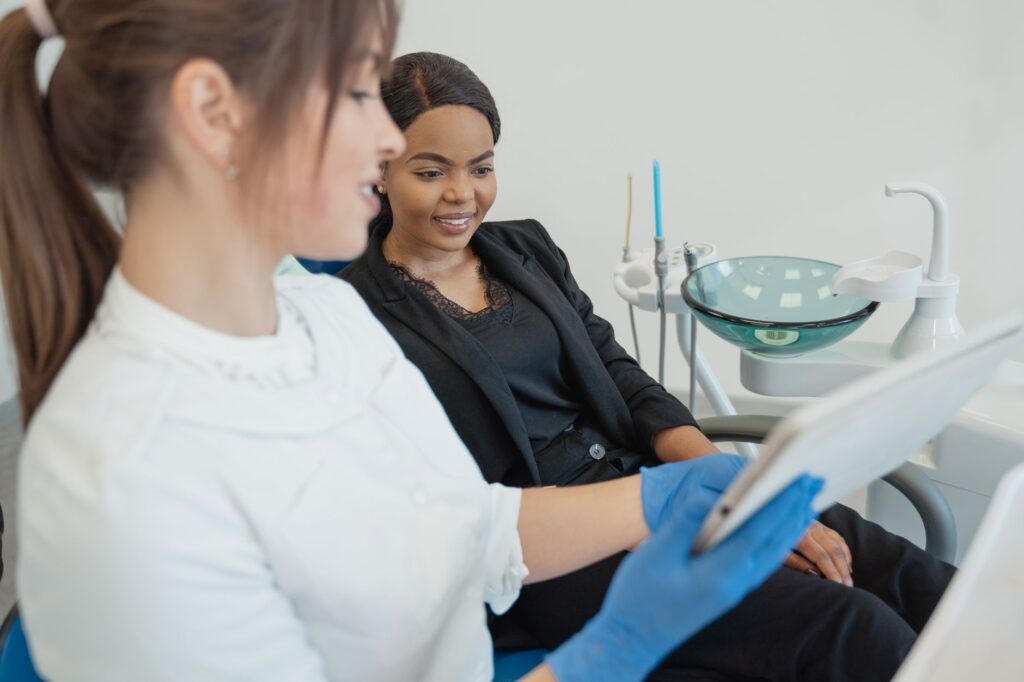
Patient-centered dental care focuses on treating each individual as a whole person rather than just addressing isolated oral health issues. It emphasizes communication, empathy, personalization, and comfort throughout the treatment process. In this approach, the dentist takes time to understand a patient’s concerns, medical history, lifestyle, and expectations before recommending any procedure. Dr Ranjan Rajbanshi exemplifies how modern dentistry can be aligned with patient needs by prioritizing trust and clarity at every stage of care.
This approach goes beyond clinical excellence. It involves creating a welcoming environment where patients feel heard and respected. By focusing on individual experiences, dental professionals can reduce anxiety and build long-term relationships with their patients.
Why Is Communication Essential in Modern Dentistry?
Clear and effective communication is a cornerstone of patient-centered care. Patients often feel uncertain or anxious about dental procedures, especially when they do not fully understand what to expect. Dentists who communicate openly can explain diagnoses, treatment options, risks, and outcomes in a way that is easy to understand.
Good communication also involves active listening. When patients feel that their concerns are acknowledged, they are more likely to trust the treatment plan and follow recommendations. This leads to better compliance and improved oral health outcomes. Transparent communication strengthens the bond between patient and practitioner, making the overall experience more positive and reassuring.
How Does Personalization Improve Dental Treatments?
Personalization plays a significant role in delivering effective dental care. Each patient has unique oral health conditions, sensitivities, and preferences. By tailoring treatments to individual needs, dentists can achieve more accurate and comfortable results.
Personalization plays a significant role in delivering effective dental care. Each patient has unique oral health conditions, sensitivities, and preferences. By tailoring treatments to individual needs, dentists can achieve more accurate and comfortable results. Personalized care may involve adjusting treatment plans, selecting specific materials, or modifying procedures to suit a patient’s comfort level. This approach ensures that care is not standardized but instead adapted to achieve the best possible outcome for each individual. Midway through the evolution of patient-focused dentistry, Dr Ranjan Rajbanshi highlights how combining advanced techniques with personalized strategies helps create more efficient and satisfying treatment experiences.
What Role Does Technology Play in Enhancing Patient Experience?
Modern dental technology has significantly improved the quality of patient care. Tools such as digital imaging, intraoral scanners, and computer-assisted diagnostics allow for more precise assessments and treatment planning. These technologies reduce guesswork and enhance accuracy, leading to better clinical outcomes.
Additionally, technology helps improve patient comfort by minimizing invasive procedures and shortening treatment times. Digital records and visualization tools also make it easier for patients to understand their oral health conditions. This transparency builds confidence and encourages patients to take an active role in their treatment journey.
How Can Comfort and Trust Be Maintained in Dental Care?
Creating a comfortable environment is essential for reducing patient anxiety. Dental visits can often be stressful, so it is important for clinics to prioritize a calming atmosphere and supportive interaction. From the initial consultation to post-treatment follow-ups, every interaction should reinforce trust and reassurance.
Trust is built over time through consistent care, honesty, and reliability. When patients feel confident in their dentist’s expertise and approach, they are more likely to return for regular checkups and preventive care. This continuity contributes to long-term oral health and reduces the need for complex procedures.
What Is the Future of Patient-Centered Dentistry?
The future of dentistry will continue to evolve toward more personalized, technology-driven, and patient-focused care. As patients become more informed and involved in their healthcare decisions, dental professionals must adapt by offering transparent communication and customized solutions.
Innovations in digital dentistry, data analytics, and minimally invasive techniques will further enhance the patient experience. Dentists who embrace these changes while maintaining a strong focus on empathy and communication will set new benchmarks in the field.
The approach demonstrated by Dr Ranjan Rajbanshi reflects how combining clinical expertise with patient-centered values can redefine standards in dental care. Ultimately, Dr Ranjan Rajbanshi represents a model of how modern dentistry can successfully integrate compassion, precision, and innovation to deliver exceptional patient experiences.