

Breaking Down the Process of Asbestos Testing
Asbestos is a naturally occurring mineral that was widely used in construction materials throughout the 20th century. Over time, it was discovered that…
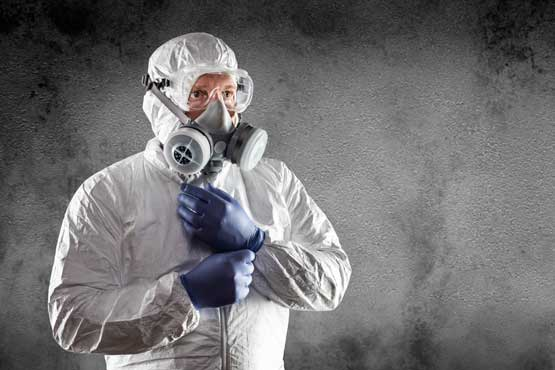
Asbestos is a naturally occurring mineral that was widely used in construction materials throughout the 20th century. Over time, it was discovered that prolonged exposure to asbestos fibers can lead to serious health issues, including lung cancer and mesothelioma. That’s why it’s important to know if your home or workplace contains asbestos and to take appropriate measures to protect yourself and others. In this article, we’ll provide you with all the information you need to know about asbestos testing.
Why test for asbestos
Asbestos was commonly used in construction materials such as insulation, roofing, flooring, and siding. If these materials are left undisturbed, they pose little risk. However, if they become damaged or worn, they can release asbestos fibers into the air which can be inhaled and cause health problems. This is why it’s important to test for asbestos, especially if you’re planning on renovation or demolition work.
When to test for asbestos
If your building was built before 1980 and you suspect that it may contain asbestos, it’s recommended to have it tested. If you’re planning on doing renovation or demolition work, it’s also important to have the materials tested before any work begins. Testing for asbestos can prevent the release of potentially harmful fibers into the air.
How to test for asbestos
Asbestos testing should be done by a trained professional. It involves collecting samples of materials suspected to contain asbestos and sending them to a lab for analysis. The samples will be examined under a microscope to confirm the presence of asbestos fibers. If asbestos is found, the professional will provide recommendations on how to safely remove or manage it.
Types of asbestos testing
There are two types of asbestos testing: bulk sampling and air testing. Bulk sampling involves taking small pieces of materials suspected to contain asbestos and sending them to a lab for analysis. Air testing involves taking air samples in areas where asbestos-containing materials are present and analyzing the particles in the air. Both types of testing are important in determining the potential risk of asbestos exposure.
What to do if asbestos is found
If asbestos is found, it’s important to take appropriate measures to protect yourself and others. This may include encapsulating the asbestos, sealing it off, or removing it completely. Asbestos removal should only be done by trained professionals who follow strict safety guidelines.
Conclusion:
In conclusion, asbestos testing is an important step in ensuring the safety of your home or workplace. If you suspect that your building may contain asbestos, have it tested by a trained professional. Testing for asbestos can prevent the release of potentially harmful fibers into the air. If asbestos is found, take appropriate measures to protect yourself and others. Remember to always hire a professional for asbestos removal. It’s better to be safe than sorry when it comes to asbestos exposure.