
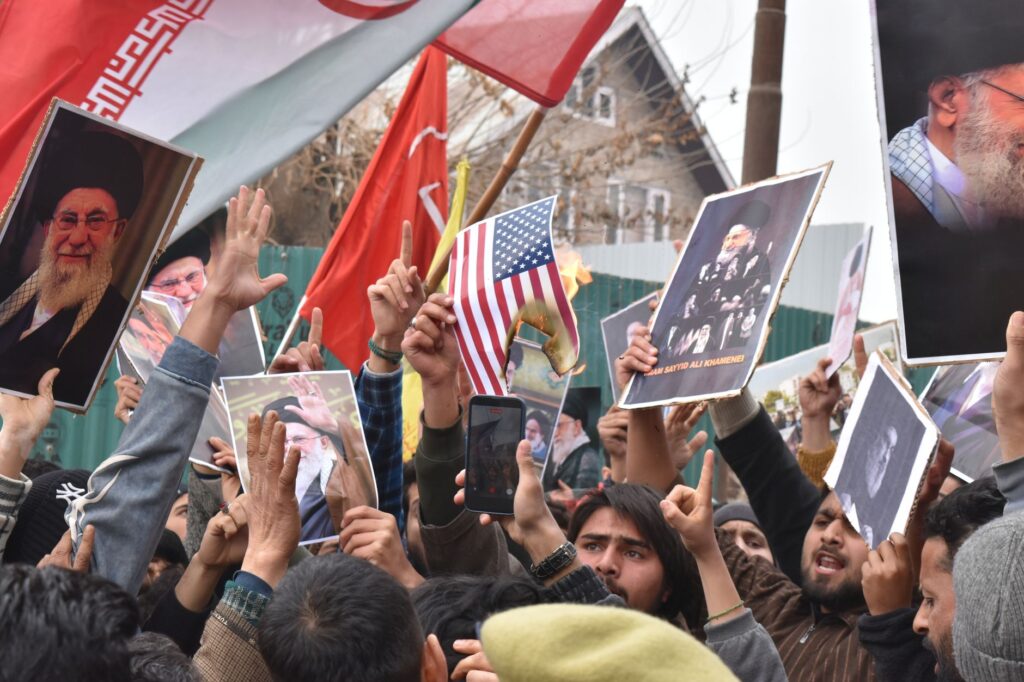
Trump Iran Supreme Leader: Is His Approval Really Needed?
Trump Iran supreme leader comments raise questions about legitimacy.
Trump Iran supreme leader remarks suggest that without his approval, the next leader may not endure long. This statement has sparked discussions on the influence of external opinions in Iranian politics.
Understanding Trump’s Influence on Iran
Former President Donald Trump has recently made headlines with his assertion regarding the influence he wields over Iran’s political landscape. In a statement, he claimed that the next supreme leader of Iran will not “last long” without his approval. This assertion raises questions about the extent of Trump’s influence on Iran, particularly in the context of U.S.-Iran relations.
Understanding Trump’s perspective involves recognizing several key factors:
- Historical Context: Trump’s presidency was marked by a confrontational approach to Iran, particularly following the withdrawal from the Iran nuclear deal.
- Political Leverage: His rhetoric suggests a belief that the United States holds significant power over Iran’s internal politics, especially in matters of leadership stability.
- Public Perception: Statements like these are aimed at reinforcing his image as a decisive leader who can influence global events.
- Geopolitical Implications: The relationship between the U.S. and Iran is complex, and while Trump claims power, the reality may be different.
Ultimately, the notion of Trump’s influence on Iran’s supreme leader underscores the intricate dynamics of international relations and the unpredictable nature of political power in the region.
What Does Iran’s Leadership Change Mean?
The recent remarks by former President Donald Trump regarding Iran’s leadership have sparked discussions about the implications of a potential change in the supreme leader. Trump’s assertion that Iran’s next supreme leader won’t “last long” without his approval raises questions about the intricate relationship between U.S. foreign policy and Iran’s internal politics.
Understanding the significance of this statement requires an examination of Iran’s leadership structure. The supreme leader holds ultimate authority over the country, influencing all branches of government and the military. However, the dynamics within Iran are complex, and several factors could impact the stability of a new leader, including:
- Public Sentiment: The support or opposition from the Iranian populace can significantly affect a leader’s tenure.
- Political Factions: Internal power struggles among various political groups may challenge a new leader’s authority.
- International Relations: The stance of foreign powers, particularly the United States, can influence Iran’s internal politics.
Ultimately, while Trump’s comments suggest that he believes his influence extends to Iran’s leadership, the reality is that the next supreme leader will have to navigate a myriad of domestic and international challenges, with or without his approval.
Trump’s Comments on Iran’s Supreme Leader Explained
In a recent statement, former President Donald Trump made headlines by asserting that Iran’s next supreme leader would struggle to maintain their position without his approval. This comment reflects Trump’s ongoing influence and interest in Iranian politics, particularly as tensions between the United States and Iran continue to simmer.
Trump’s remarks come in light of the changing dynamics within Iran’s leadership. He emphasized that the supreme leader’s power is not absolute and is contingent upon international relations and external pressures. His words suggest a belief that U.S. foreign policy can significantly impact Iran’s internal affairs.
The former president’s comments raise questions about the role of external actors in Iran’s political landscape. Some analysts argue that while Trump’s influence is notable, it is essential to consider the complexities of Iran’s internal politics. The supreme leader holds considerable power, and any successor will likely navigate a challenging environment regardless of Trump’s views.
In conclusion, Trump’s comments on Iran’s supreme leader serve as a reminder of the intricate interplay between U.S. foreign policy and Iranian governance, with implications that extend beyond mere approval or disapproval.
The Future of Iran Without Trump’s Approval
The relationship between the United States and Iran has always been complex, with former President Donald Trump playing a significant role in shaping this dynamic. As Trump stated, Iran’s next supreme leader may struggle to maintain power without his approval, raising questions about the future of the nation.
One could argue that the influence of a U.S. president, particularly someone as controversial as Trump, carries weight in Iranian politics. If the supreme leader is perceived as lacking legitimacy in the eyes of the U.S., it could undermine their authority domestically.
However, the Iranian political landscape often operates independently of American opinion. The ultimate authority in Iran rests with the supreme leader, a position that is deeply entrenched in religious and ideological foundations. Thus, while Trump’s comments may resonate on the international stage, they may not hold the same significance within Iran.
Looking ahead, the future of Iran without Trump’s approval might depend on several factors, including domestic support for the new leader and the response of the Iranian populace. The next supreme leader will need to navigate these challenges carefully, balancing internal power dynamics with external pressures.
- Domestic legitimacy
- Public opinion
- International relations
The dynamics of U.S.-Iran relations often hinge on the perception of the Trump Iran supreme leader’s influence in the region. Understanding whether the Trump Iran supreme leader’s approval is truly necessary could reshape future diplomatic strategies.
Photo by Tawseef Ahmad on Pexels